
Upcoming 2026 Training Series: Family Mediation in West Virginia
As many of you know, this past fall, for the first time, I offered a mediation training course for West Virginians who wanted to become certified family mediators. I am excited to see how this wonderful group of new mediators may help hundreds of children in the Mountain State avoid the difficulties that come from protracted custody battles. The conversations we had in those sessions were thoughtful, energetic, and full of curiosity. Several participants asked if I would consider creating a deeper, skills-focused training specifically for mediators who want to expand their private practice into family law matters.
So, I listened.
My new online training series, launching in early 2026, is designed for West Virginia mediators who want to enhance their understanding of family law and develop practical mediation techniques that serve clients with clarity, compassion, and confidence. These sessions are part of my concurrent focus on both restorative lawyering and restorative mediation—a movement that recognizes that families in conflict need more than legal resolutions. They need processes grounded in dignity, communication, and long-term well-being.
If you’re looking to expand your mediation toolbox in the new year, these courses offer a structured way to do it without pursuing another certification program. Although the training is not tied to formal credentials, we will seek continuing legal education (CLE) credit for each session.
All sessions will be held live on Zoom, keeping them accessible for mediators across West Virginia (and beyond). Each course is $75.00 and includes both the live two-hour training and written materials you can reference later in your practice.
Registration opened November 1, 2025, and participation is capped at 15 attendees per course to keep the sessions interactive and skills-focused.
Below are the upcoming offerings in the 2026 series:
Skills and Techniques for Mediating Property Division in West Virginia
January 8, 2026 | 7:00–9:00 p.m.
Register here.
Property division is often one of the most emotionally and financially complex aspects of divorce mediation. This course focuses on practical strategies to help mediators guide parties through asset identification, valuation, and distribution with clarity and neutrality. We’ll explore common stumbling blocks, communication techniques, and ways to keep parties focused on resolution rather than conflict.
What Every Family Mediator Should Know About the Law and Division of Marital Assets in Divorce Cases in West Virginia
January 22, 2026 | 7:00–9:00 p.m.
Register here.
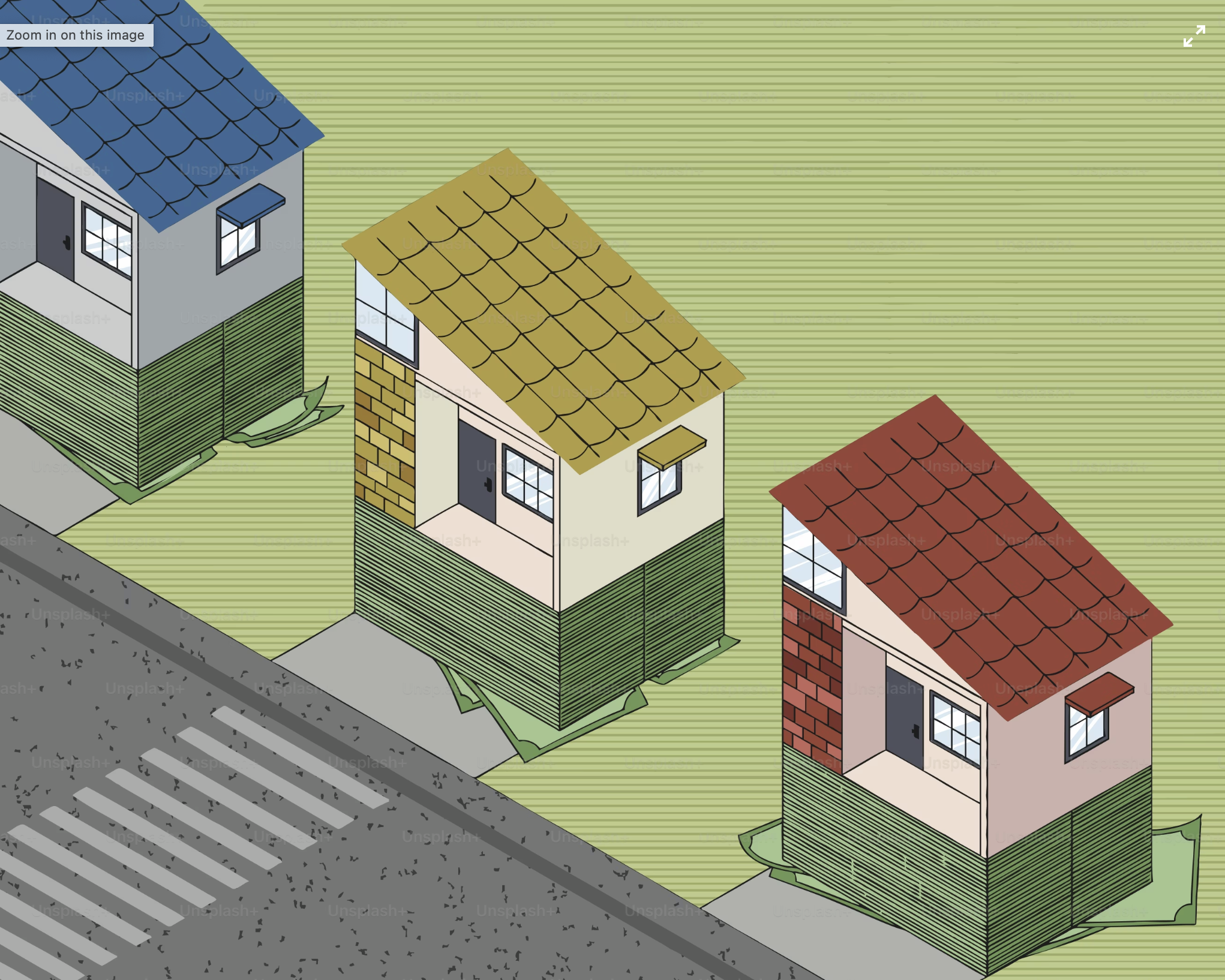
Securing suitable housing for all family members after a divorce is a challenge best addressed in mediation.
Understanding the legal framework behind property division allows mediators to support empowered and informed decision-making. This session provides an overview of West Virginia law related to marital and separate property, equitable distribution, statutory factors, and key case law. It’s designed for mediators who want to stay legally literate without crossing into giving legal advice.
Skills and Techniques for Mediating Spousal Support and Child Support in West Virginia
February 12, 2026 | 7:00–9:00 p.m.
Register here.
Support issues can quickly derail otherwise productive mediations. This course offers practical tools for helping parties approach spousal support and child support conversations constructively. We’ll cover common financial misunderstandings, child-focused framing techniques, and communication approaches that reduce defensiveness and encourage collaboration.
West Virginia Laws on Child and Spousal Support for the Mediator
February 26, 2026 | 7:00–9:00 p.m.
Register here.
The final session in the series provides a clear overview of the relevant West Virginia laws and guidelines that shape child and spousal support decisions. This training helps mediators understand the legal backdrop so they can create a process that is both grounded and accessible for the families they serve.
Whether you are newly trained or a seasoned mediator looking to expand your practice, I hope you’ll join me in this next step toward restorative, informed, and client-centered mediation work. Registration opens soon, and I look forward to seeing many of you in the virtual classroom in January.